Author: Jim
Safe Write Access: Why My AI Managers Had to Earn Permission
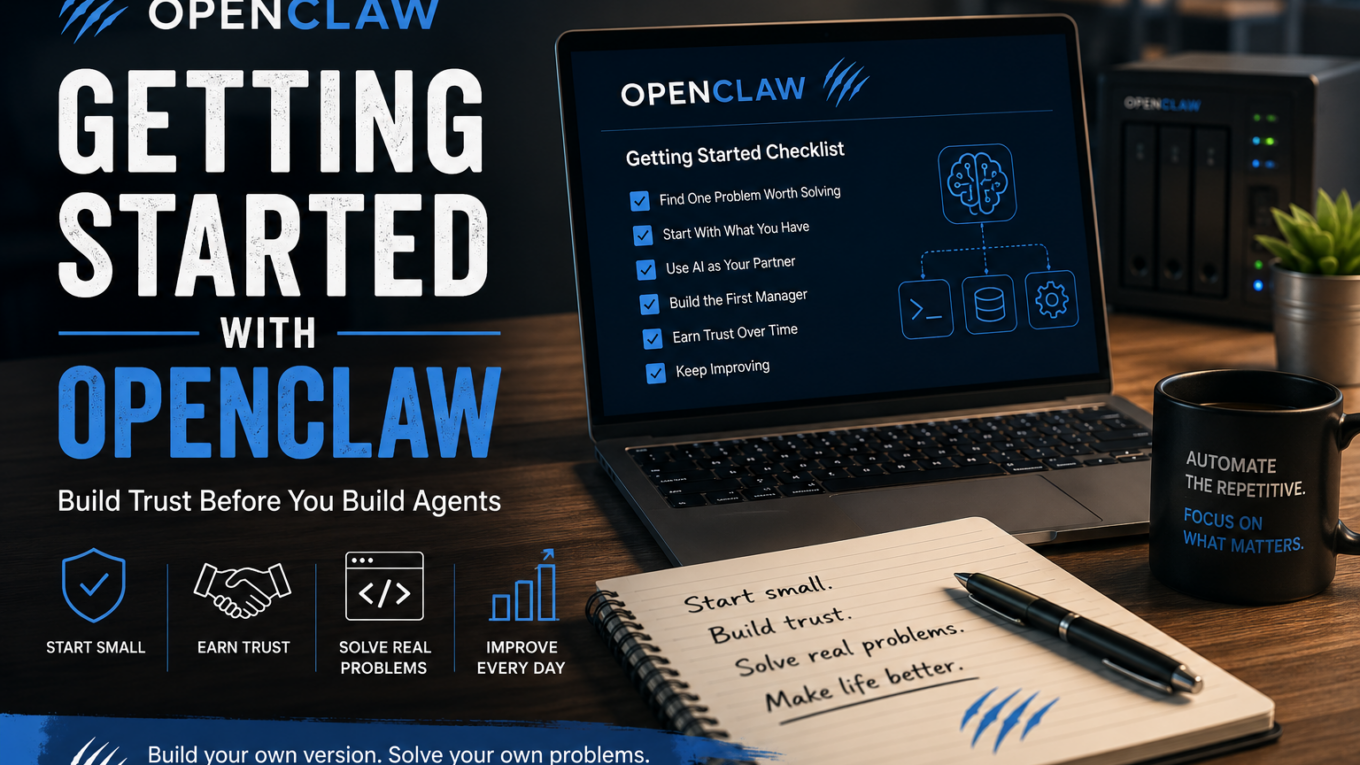
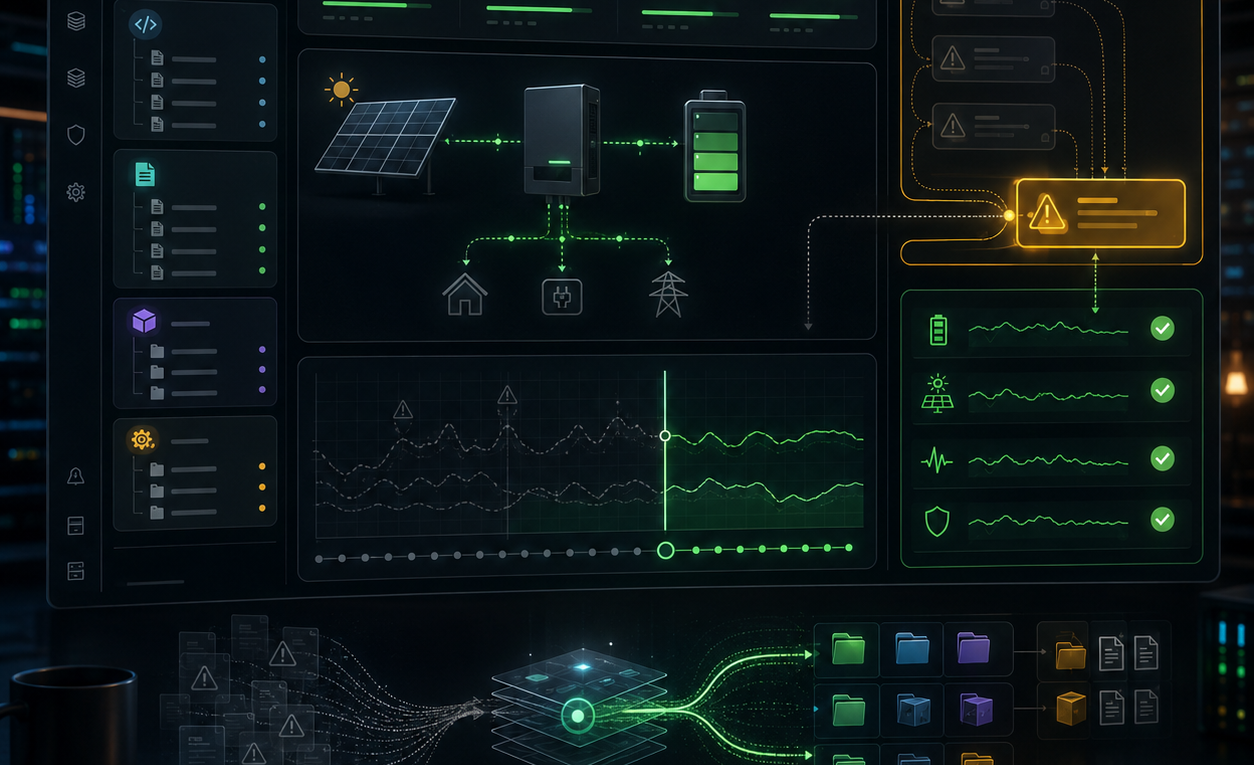
Giving an AI manager access to real systems is not one decision. It is a series of smaller decisions about scope, risk, validation, and trust. In my OpenClaw setup, write access had to be earned one step at a time. Before OpenClaw could change WordPress, patch a Home Assistant dashboard, repair operational state, or prepare anything for publishing, it had to prove that it could inspect, explain, dry-run, validate, report, and stop when the evidence was not clear.
Click for more / Podcast Player>Ring 4K Cameras, Robot Mowers, Coffee Gear and Travel Tech with Erin Lawrence – HGG682
Managers Need Memory: Building Feedback Loops Into My AI Operations
After defining OpenClaw and Hermes as AI managers, I realized the next step was not more autonomy. It was operational memory: tracking recommendations, outcomes and accountability before trusting the system with more authority.
Click for more / Podcast Player>I Stopped Building Assistants and Started Building Managers
Operating OpenClaw changed how I thought about AI work. I started by building assistants to help with tasks, but the real shift came when I began assigning responsibilities. Daily Ops, Hermes, Content Manager and fallback model testing all taught the same lesson: the role matters more than the model, and managers need supervision.
Click for more / Podcast Player>