Tag: AI agents
Safe Write Access: Why My AI Managers Had to Earn Permission
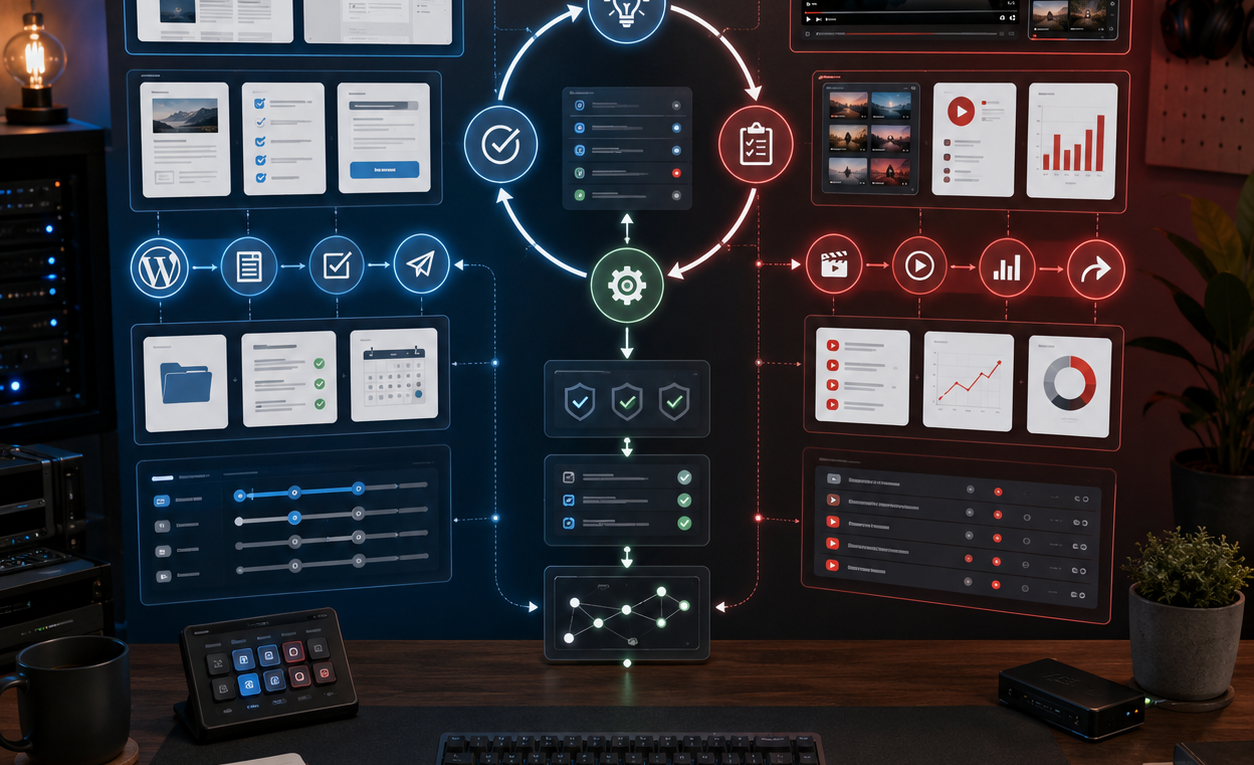
Giving an AI manager access to real systems is not one decision. It is a series of smaller decisions about scope, risk, validation, and trust. In my OpenClaw setup, write access had to be earned one step at a time. Before OpenClaw could change WordPress, patch a Home Assistant dashboard, repair operational state, or prepare anything for publishing, it had to prove that it could inspect, explain, dry-run, validate, report, and stop when the evidence was not clear.
Click for more / Podcast Player>Managers Need Memory: Building Feedback Loops Into My AI Operations
After defining OpenClaw and Hermes as AI managers, I realized the next step was not more autonomy. It was operational memory: tracking recommendations, outcomes and accountability before trusting the system with more authority.
Click for more / Podcast Player>I Stopped Building Assistants and Started Building Managers
Operating OpenClaw changed how I thought about AI work. I started by building assistants to help with tasks, but the real shift came when I began assigning responsibilities. Daily Ops, Hermes, Content Manager and fallback model testing all taught the same lesson: the role matters more than the model, and managers need supervision.
Click for more / Podcast Player>What the Dashboard Couldn’t Know: My First Few Weeks Running OpenClaw
The first few weeks were messy, but useful. OpenClaw did not become valuable because everything worked cleanly. It became valuable because it exposed false alarms, missing context, provider limits and the approval boundaries I still needed.
Click for more / Podcast Player>Constrained by Design: How I Structured My First OpenClaw Environment
How I used a separate Linux machine, a fresh user account, read-only workflows and observable access to evaluate OpenClaw before allowing its first state-changing operations.
Click for more / Podcast Player>